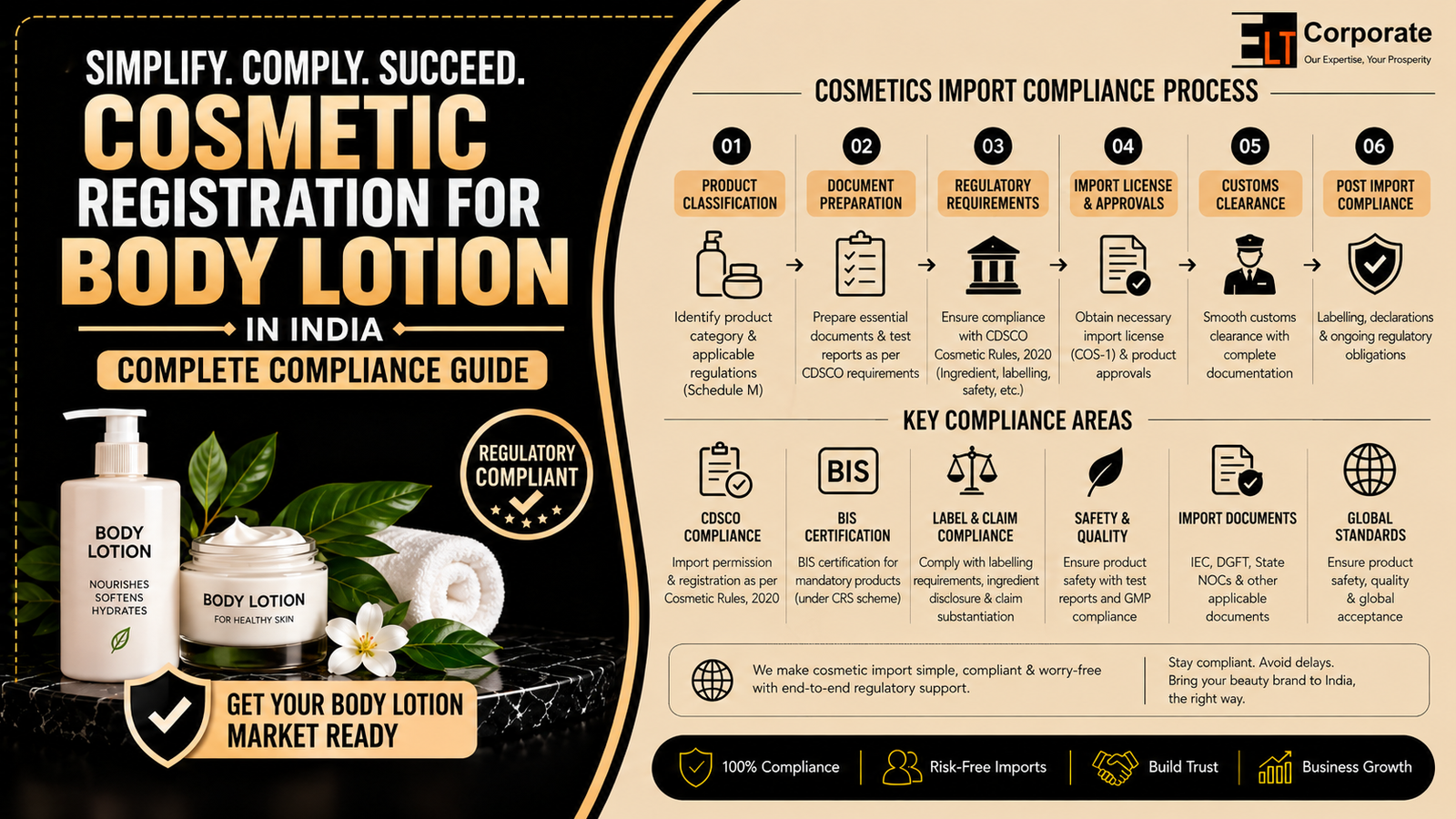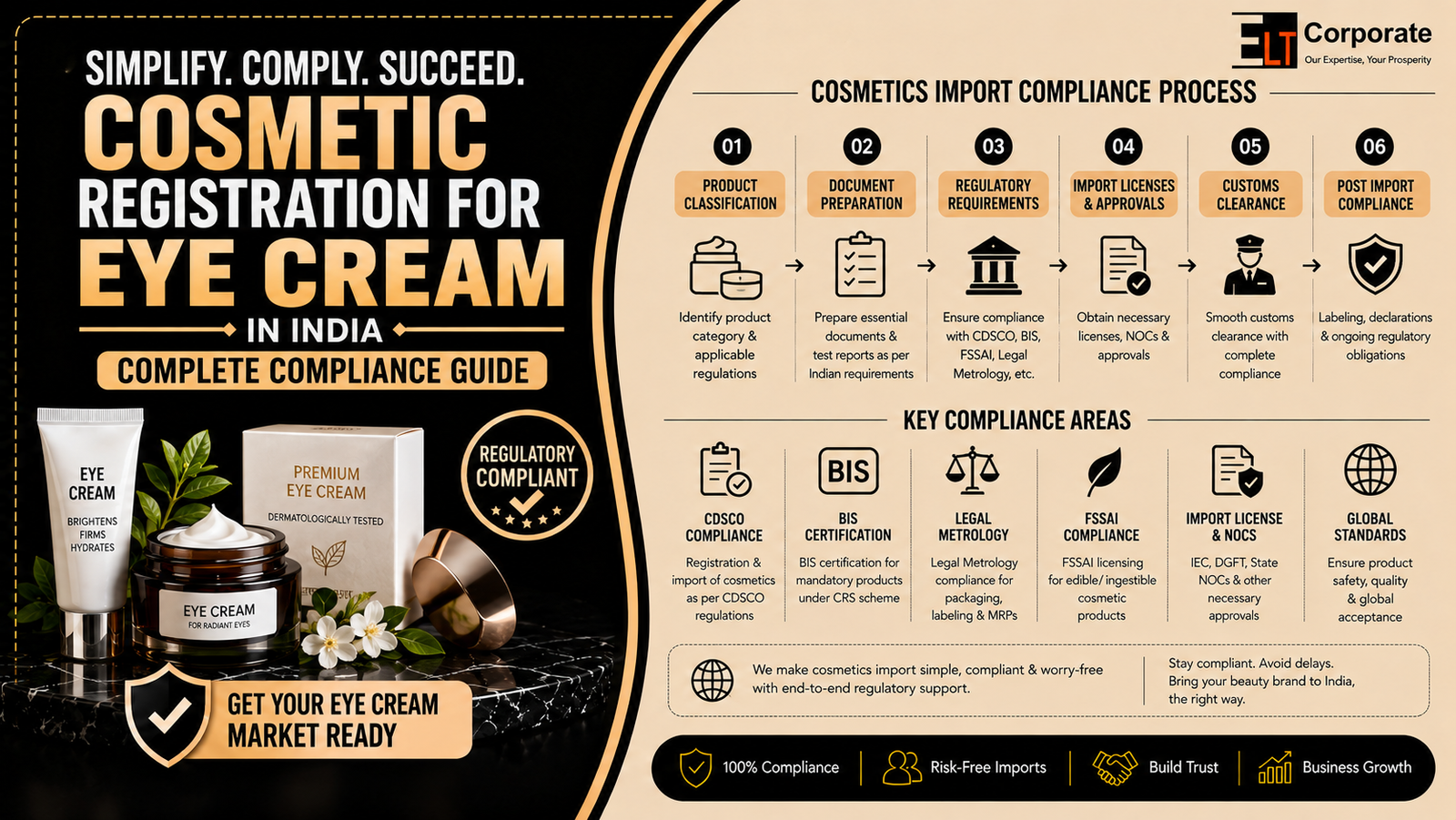


Are you looking to launch your natural or organic cosmetic brand in the booming Indian market, specifically in Bengaluru? Navigating the regulatory landscape for cosmetics in India can feel like a complex maze, especially when your products boast “organic” or “natural” claims. Ensuring compliance with the Central Drugs Standard Control Organization (CDSCO) is not just a legal requirement, but a cornerstone for your brand’s success and consumer trust.
India’s beauty and personal care market is experiencing significant growth, with a notable surge in demand for natural and organic products. Consumers are increasingly seeking transparency and ethical sourcing, making robust regulatory compliance for these specific categories more critical than ever.
For brands entering or operating in this space, understanding CDSCO cosmetic registration is paramount. This guide will walk you through the essentials, focusing on the unique aspects of natural and organic cosmetics and how to find the right support in Bengaluru.
Understanding CDSCO Cosmetic Registration for Organic Products
CDSCO is India’s primary regulatory body for drugs and cosmetics, ensuring the safety, quality, and regulatory compliance of products available to consumers. The Cosmetic Rules 2020 govern the import, manufacture, and sale of cosmetics in India, making compliance mandatory for all cosmetic products, including those with organic claims.
While CDSCO doesn’t have a separate “organic” certification, it rigorously scrutinizes all product claims, including “organic,” for substantiation. This means your organic cosmetic registration process must not only adhere to general cosmetic rules but also convincingly prove your organic credentials.
Benefits of Proper CDSCO Registration for Your Organic Brand
Securing proper CDSCO registration offers numerous advantages for your natural and organic cosmetic brand. Firstly, it ensures legal market entry, preventing costly penalties and disruptions. Compliance builds immense consumer trust, particularly important for organic products where authenticity is key.
It also enhances your brand’s reputation and credibility, signaling a commitment to quality and safety. A smooth registration process, aided by experts, accelerates your time to market, allowing you to capitalize on consumer demand quickly. Ultimately, it safeguards your business from legal repercussions and promotes sustainable growth.
Required Documents and Prerequisites for Organic Cosmetics
The CDSCO cosmetic registration process requires a comprehensive set of documents. For imported organic products, you’ll need Form COS-1, a Power of Attorney (POA) for your Authorized Indian Representative (AIR), a Free Sale Certificate (FSC) from the country of origin, and a detailed ingredient list (including INCI names).
Additionally, you must provide label artwork, a manufacturing license or Good Manufacturing Practice (GMP) certificate of the manufacturer, and a declaration for non-animal testing. For organic or natural claims, supporting documents like international organic certifications (e.g.,
Ecocert, COSMOS, USDA Organic) are highly beneficial. A comprehensive breakdown of the natural components and their sourcing can also strengthen your application.
Validity of CDSCO Cosmetic Registration Certificates
Once approved, a cosmetic import registration certificate (Form COS-2) is valid for five years. For domestically manufactured cosmetics, the manufacturing license does not have a fixed expiry date and remains valid subject to continued compliance and payment of retention fees every five years, as prescribed under the Cosmetics Rules, 2020.
It’s crucial to understand that any changes to your product formula, packaging, or claims, even for new variants, may require an endorsement or a fresh application. Staying updated on these requirements is part of continuous compliance.
The Step-by-Step CDSCO Cosmetic Registration Process
Navigating the CDSCO registration process, especially for organic products, can be straightforward with expert guidance. Here’s a simplified breakdown:
1. Initial Assessment and Strategy: A specialized consultant will review your product portfolio, ingredients, and organic claims. They will determine the correct registration type (import or manufacturing) and outline a tailored strategy for compliance.
2. Appointing an Authorized Indian Representative (AIR): For imported products, an AIR is mandatory. This individual or entity acts as your local liaison with CDSCO.
3. Documentation Gathering and Scrutiny: All required documents, including specific proofs for organic claims, are meticulously prepared and vetted. This includes Form COS-1, the detailed ingredient list, and international organic certifications.
4. SUGAM Portal Application: The application is filed online through the SUGAM portal. This involves creating an account, selecting the appropriate form, and uploading all supporting documents.
5. Query Resolution and Follow-up: CDSCO may raise queries or discrepancies during review. Your consultant will promptly address these, providing necessary clarifications and additional documents.
6. Certificate Issuance: Upon successful review and approval, the CDSCO registration certificate (Form COS-2 for imports) is issued, allowing you to legally market your organic cosmetics in India.
7. Post-Approval Compliance: This includes managing endorsements for new product variants, formula changes, or label updates, ensuring ongoing adherence to Cosmetic Rules 2020.
Common Mistakes to Avoid in Organic Cosmetic Registration
Many brands stumble due to common pitfalls in the CDSCO registration process. A frequent error is making unsubstantiated “organic” or “natural” claims on product labels or marketing materials. CDSCO requires rigorous proof for such claims, and misleading information can lead to rejections.
Another mistake is submitting incomplete or incorrect documentation. Missing crucial certificates or inaccurate ingredient lists often results in delays and multiple queries. Not appointing a reliable Authorized Indian Representative (AIR) for imported products can also hinder communication and prolong the process. Finally, ignoring post-approval compliance for new variants or formula changes can lead to severe penalties down the line.
What Happens If You Ignore CDSCO Registration?
Ignoring CDSCO cosmetic registration can have severe repercussions for your brand. Selling unregistered cosmetics in India is illegal and can lead to significant financial penalties, product seizures, and even imprisonment under the Drugs & Cosmetics Act and Cosmetic Rules 2020.
Beyond legal implications, your brand’s reputation will suffer irreparable damage, leading to a loss of consumer trust and market share. Unregistered products face import restrictions and potential recalls, causing huge financial losses and disrupting your supply chain. Compliance is not optional; it’s essential for sustained business.
The Cost Involved in CDSCO Cosmetic Registration
Government fees for cosmetic import registration are prescribed under the Cosmetics Rules, 2020. These include USD 1,000 per cosmetic category, USD 50 for each additional variant, and USD 500 for each manufacturing site. These are statutory CDSCO fees, payable in USD equivalent INR through the SUGAM portal.
Beyond government fees, you will incur service charges from the regulatory consultant you engage. These fees vary based on the complexity of your product portfolio, the number of SKUs, and the scope of services provided. Additionally, there might be costs for product testing (if required for specific ingredients) or for securing foreign documentation like Free Sale Certificates.
How a Trusted Partner Can Help You in Bengaluru
Partnering with a specialized CDSCO cosmetic registration agency in Bengaluru, particularly one with expertise in natural and organic cosmetics, can be a game-changer. These experts offer end-to-end support, from initial product assessment to final certificate issuance and ongoing compliance.
A trusted partner understands the nuances of the Cosmetic Rules 2020 and how they apply to organic claims and natural formulations. They streamline the complex documentation process, handle online submissions via the SUGAM portal, and proactively liaise with CDSCO on your behalf. Their local presence in Bengaluru means they are well-versed in any state-specific regulatory aspects in Karnataka, ensuring a smoother, faster, and more compliant market entry for your organic brand.
Conclusion
Launching your natural or organic cosmetic brand in India’s dynamic market offers immense potential. However, navigating the CDSCO cosmetic registration process requires specialized knowledge, especially when dealing with specific claims like “organic” and “natural.”
By understanding the requirements, avoiding common mistakes, and partnering with a reputable CDSCO consultant in Bengaluru, you can ensure a smooth, compliant, and successful market entry. Choose an agency with a proven track record and deep expertise in organic product regulations to safeguard your brand and unlock its full potential.
Don’t let regulatory complexities hold back your organic beauty vision. Contact an expert today to discuss your specific needs and take the next step towards compliance and success in India.
FAQs
Is there a separate CDSCO registration category or specific rules for organic or natural cosmetics in India?
CDSCO regulates all cosmetics primarily based on their safety, quality, and composition, not specifically on marketing terms like “organic” or “natural.” While there isn’t a dedicated “organic” registration category, all such claims on your products must be scientifically substantiated.
This means your ingredients and formulations must meet the general cosmetic safety standards under the Cosmetic Rules 2020. International organic certifications can serve as
strong supporting documents for your claims during the registration process, but they do not replace the mandatory CDSCO registration itself.
What specific documents are required to register imported organic cosmetics with CDSCO via the SUGAM portal, beyond the standard list?
Beyond the standard documents like Form COS-1, Power of Attorney for your Authorized Indian Representative (AIR), Free Sale Certificate, detailed ingredient list, and manufacturing license, organic cosmetics require additional substantiation. You should include copies of any international organic certifications (e.g., Ecocert, COSMOS, USDA Organic) for your product or its key ingredients.
A comprehensive breakdown of the natural origin and processing of your ingredients, along with any relevant quality assurance certificates, can also be crucial. These documents help validate your “organic” or “natural” claims, ensuring compliance with labeling and marketing guidelines.
How long does CDSCO cosmetic registration typically take for a new organic brand entering India, and what are the critical milestones for launch planning?
The CDSCO cosmetic import registration process for a new brand typically takes several weeks to a few months, depending on the completeness of your application and the number of queries raised by CDSCO. Critical milestones for launch planning include the initial product assessment, appointment of an Authorized Indian Representative (AIR), meticulous document preparation, and online submission via the SUGAM portal.
It is highly advisable to initiate the registration process well in advance of your planned product launch or import schedule. This allows ample time to address any discrepancies or additional information requests from the regulatory authority, preventing potential delays in market entry.
Can my Bengaluru-based contract manufacturer handle all CDSCO import and state manufacturing licenses for our organic private-label brand, or do we need our own registrations?
For domestically manufactured organic private-label cosmetics, your Bengaluru-based contract manufacturer will typically hold the manufacturing license (Form COS-8) issued by the state licensing authority. This license covers the production of the cosmetics at their facility.
However, if your brand also imports finished organic products, you, as the brand owner or importer, would need to obtain a separate CDSCO import registration certificate (Form COS 2) for those specific products. The responsibilities should be clearly defined in your agreement with the manufacturer and your Authorized Indian Representative (AIR).
What happens if we change the formula, introduce new organic variants, or update our packaging after initial CDSCO registration?
Any significant changes to a registered cosmetic product, such as formula alterations, the introduction of new organic variants, or even minor changes to packaging (if it affects labeling claims), generally require an endorsement to your existing CDSCO registration certificate. For completely new products or major deviations, a fresh application might be necessary.
It’s crucial to inform your regulatory consultant about any proposed changes before they are implemented. This proactive approach ensures that your brand remains compliant with the Cosmetic Rules 2020 and avoids any legal issues or market disruptions due to non compliance.