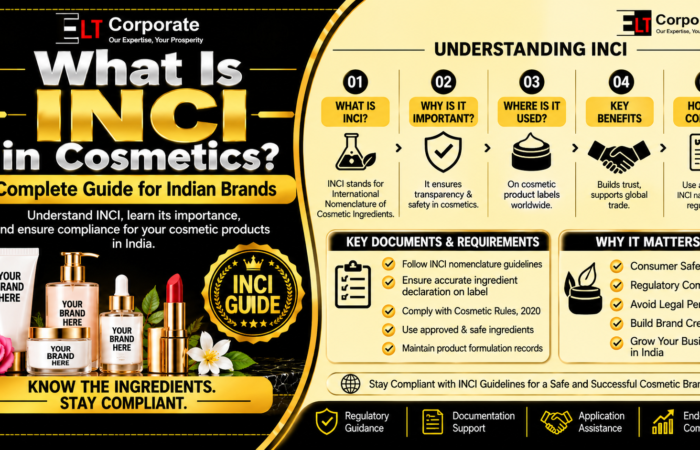
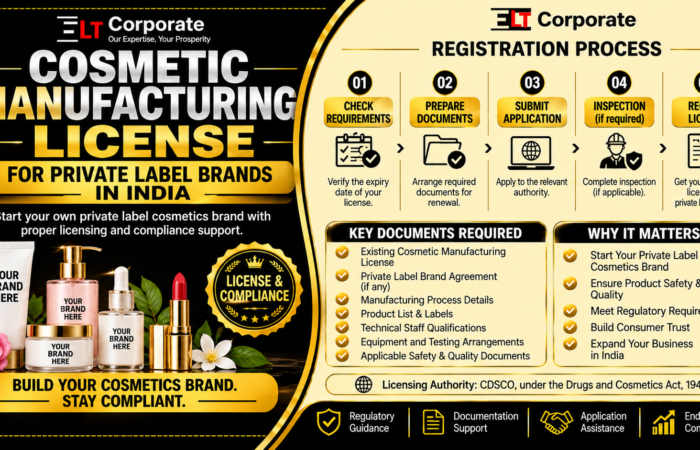
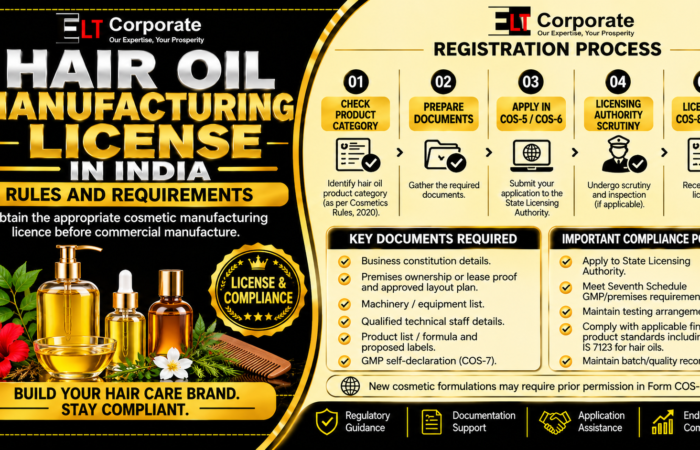
Hair Oil Manufacturing License in India – Rules and Requirements

Great things in business are never done one. They're done by a team of people.
End to End Regulatory Support in
Being a producer or manufacturer, plastic waste management is important for any company. Plastic products have now become essential in day-to-day tasks due to their cost-effectiveness and durability, which at the same time led to significant environmental challenges and waste management issues. EPR for plastic waste has gained importance relevant to sustainability or waste management.
In recent years, EPR for plastic waste in India has become exclusively relevant to the plastic industry for the proper management of plastic waste and its influence on the environment.
Extended Producer Responsibility is a concept that was introduced in the plastic waste management rules, in 2016. As per EPR the plastic packaging producer and brands who import the plastic products shall be responsible for the introduction of plastic in the market throughout the product lifecycle. So, if you are a producer or a company selling plastic products in a country that has the mandatory EPR framework, then you must ensure the product meets the sustainability requirements and post-consumer recycled target for plastic packaging.
EPR is a critical strategy for global plastic pollution across product lifecycles. EPR aims to address the challenge of plastic pollution by holding producers accountable from product design to its disposal.
Plastic packaging in EPR are categorised into four different types:
Rigid plastic includes plastic bottles, tubs, and containers.
Flexible plastic includes pouches, bags, and plastic wraps.
Multi-layered plastic featuring coffer pouch and laminated tubes for toothpaste.
Compostable plastic sheet encompassing garbage bag or compostable food wrap.
The key benefits of an EPR certificate are as follows:
EPR certificate helps to reduce the dependence on fresh raw plastic material for product development, leading to cost optimization.
By promoting environmentally friendly products.
By fixing the problem of plastic waste supply chain. Enhances operations: Improve collection and treatment of plastic waste.
It encourages manufacturers to design and develop products that can be easy to recycle.
To be eligible for EPR registration for plastic waste, the following entities must register:
The producer who is responsible for producing plastic products must be registered with an EPR certificate.
Manufacturer or brand owner.
An importer or authorized person who wants to sell plastic products in the Indian market shall obtain a license from the pollution control committee.
Company details along with KYC documents
Manufacturer or authorized person KYC documents
Manufacturing premise documents along with site Layout Map
State broad clearance
Following are the key steps needed to be followed to obtain an EPR certificate:
Below are the responsibilities for person after registration:
The validity for new registration of the EPR certificate is 1 year from the date of issue and when it is renewed the validity extends to 3 years from the date of renewal.
ELT corporate will assist you with all the documentation work
Providing consultation and guidance
End-to-end service and expert advice
Follow up with the CPCB
On December 31, 2022, the government enacted certain rules concerning plastic waste management, which would make it illegal to purchase some use and through plastic items.
The authorization process takes an average of 30 business days.
Yes, it is mandatory to obtain an EPR certificate for all manufacturers and importers.











Adding {{itemName}} to cart
Added {{itemName}} to cart