
Are you an international exporter looking to introduce your cosmetic products to the thriving Indian market? India’s beauty industry is booming, making it an attractive destination for global brands. However, navigating the country’s regulatory landscape requires a clear understanding of the import process, particularly obtaining a cosmetic import registration through Form COS-1. This guide will walk you through the essential steps to ensure a smooth and compliant entry into this lucrative market.
Table of Contents
ToggleWhy an India Cosmetic Import License is Essential for International Exporters
Securing a cosmetic import license is not merely a bureaucratic step; it’s a gateway to legal and successful market access. Without it, your products cannot be lawfully sold in India. This license, issued by the Central Drugs Standard Control Organization (CDSCO), assures Indian consumers that your products meet national safety and quality standards.
It also protects your brand’s reputation and prevents significant legal and financial penalties. Compliance builds trust with distributors and consumers, fostering long-term success in a competitive market.
Required Documents and Prerequisites
Before applying, international exporters must meet specific prerequisites and gather a comprehensive set of documents. A crucial first step is appointing an Authorized Indian Agent (AA) who will represent you in India and submit the application on your behalf through the CDSCO’s SUGAM portal.
Key Documents for Your Cosmetic Product Dossier:
- Authorized Indian Agent Appointment Letter/Power of Attorney: Granting authority to your Indian representative.
- Manufacturer’s License/Registration: Proof that your manufacturing site is legally approved in your home country.
- Free Sale Certificate (FSC): Confirming your products are freely sold in the country of origin. This document often needs to be apostilled or legalized.
- Product Specification & Composition: Detailed information on ingredients and quality parameters for each cosmetic product.
- Testing Methods: Protocols for quality control and assurance.
- Labels/Artwork: Proposed labels for the Indian market, complying with local labeling rules.
- Stability Data: (if available or requested by CDSCO).
- Non-Animal Testing Declaration: A mandatory statement confirming no animal testing was performed on the product or its ingredients for India.
- Good Manufacturing Practices (GMP) Certificate: Demonstrating adherence to international quality standards.
Validity of the Cosmetic Import License
Once approved, a cosmetic import registration certificate issued in Form COS-2 is typically valid for five years from the date of issuance. It is essential to monitor this validity period and initiate
renewal procedures well in advance to avoid any disruption in your import operations.
Step-by-Step Procedure for Obtaining Your License
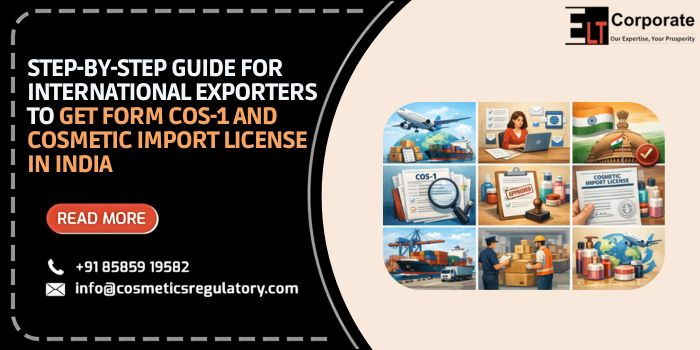
The process involves several key stages, primarily conducted online via the CDSCO’s SUGAM portal:
1. Appoint an Authorized Indian Agent: This agent handles all communication and submissions in India.
2. Gather Required Documents: Collect all necessary certificates, data, and declarations as listed above. Ensure proper notarization and legalization where specified.
3. Online Registration on SUGAM Portal: Your Indian Agent will register on the CDSCO SUGAM portal, if not already registered.
4. Application Submission (Form COS-1): The agent prepares and uploads the complete dossier, filling out Form COS-1 with precise details about the manufacturer, products, and categories.
5. Fee Payment: Pay the prescribed government fees for each product category and manufacturing site.
6. CDSCO Scrutiny: The application undergoes thorough review by CDSCO officials. They may issue queries for clarification or additional documents.
7. Respond to Queries: Promptly and comprehensively address any queries raised by CDSCO. Delays here can significantly extend processing time.
8. License Issuance: Upon successful review, CDSCO issues the cosmetic import registration certificate in Form COS-2.
Common Mistakes to Avoid
Navigating regulatory processes can be tricky. Here’s a checklist of common pitfalls for international exporters to steer clear of:
- Incomplete or Incorrect Documentation: Ensure every document is accurate, up-to date, and properly attested.
- Notarization/Apostille Errors: Failure to correctly legalize critical documents like the Free Sale Certificate.
- Choosing an Unreliable Indian Agent: Select an agent with proven experience and expertise in cosmetic regulations.
- Ignoring Indian Labeling Standards: Your proposed labels must fully comply with Indian cosmetic rules from day one.
- Delayed Query Responses: Respond to CDSCO queries swiftly and thoroughly to avoid application delays or rejections.
- Non-Compliance with Animal Testing Rules: India prohibits manufacture and import of cosmetics tested on animals. Provide the necessary declaration.
What Happens If You Ignore It?
Ignoring the requirement for a cosmetic import license in India carries severe consequences. Unlicensed products are subject to seizure by authorities, heavy fines, and even prosecution under the Drugs and Cosmetics Act. Your company could face a market ban, significant financial losses, and irreparable damage to its reputation in one of the world’s fastest growing markets.
The Cost Involved
The cost to obtain a cosmetic import license in India involves several components, which can vary based on the number of product categories and services required. Government fees prescribed under the Cosmetics Rules, 2020 include:
- USD 1000 per cosmetic category
- USD 50 per variant
- USD 500 per manufacturing site
These are statutory CDSCO government fees. Professional and documentation charges vary depending on service scope and consultants.
How ELT Corporate Pvt. Ltd. Can Help You
Navigating the complexities of Indian cosmetic regulations can be challenging for international exporters. ELT Corporate Pvt. Ltd. specializes in simplifying this process. We offer end-to-end regulatory support, from preparing your Form COS-1 dossier to liaising with CDSCO and ensuring your complete compliance.
Our expert team acts as your trusted Authorized Indian Agent, guiding you through every step. We ensure your application is accurate, complete, and submitted efficiently, minimizing delays and maximizing your chances of swift approval. Partner with us to achieve seamless market entry.
Conclusion
Entering the Indian cosmetic market as an international exporter is a strategic move with immense potential. Understanding and complying with the CDSCO’s Form COS-1 and import licensing requirements is paramount. By following this step-by-step guide, preparing diligently, and avoiding common pitfalls, you can successfully secure your license and unlock growth opportunities.
Don’t let regulatory hurdles deter you. With the right guidance and preparation, your brand can thrive in India. Start your journey today!
FAQs
Q1: What exactly is Form COS-1, and why is it so important for international exporters?
Form COS-1 is the application form international manufacturers or their authorized Indian agents must submit to the CDSCO for registering imported cosmetic products in India. It’s crucial because it initiates the legal process for obtaining an import license, ensuring your products can be lawfully sold across the country.
Q2: How long does it typically take to get the cosmetic import license after submitting Form COS-1?
The processing time for a cosmetic import license in India can vary, but generally ranges from 3 to 6 months. This timeline depends on the completeness of your submitted dossier and how quickly any queries from CDSCO are addressed.
Q3: Do I need an Authorized Indian Agent if I’m an international exporter?
Yes, absolutely. Under Indian cosmetic regulations, international manufacturers cannot directly apply for the import license. You must appoint an Authorized Indian Agent (AA) who is based in India to submit and manage the Form COS-1 application on your behalf.
Q4: What is a Free Sale Certificate (FSC), and why is it critical for the Form COS-1 application?
A Free Sale Certificate (FSC) is a document issued by the regulatory authority of your product’s country of origin. It confirms that your cosmetic products are freely and legally sold in that country. It is a critical document for Form COS-1 as it assures the CDSCO of your product’s established market presence and safety abroad.
Q5: Are there any specific animal testing requirements for cosmetic imports into India?
Yes, India has a strict ban on the import of cosmetics that have been tested on animals. International exporters must provide a mandatory declaration confirming that neither the product nor any of its ingredients have been subjected to animal testing for the purpose of regulatory compliance in India.