
Italian beauty and professional salon brands are becoming increasingly popular in India. From premium hair color systems and salon-only skincare to luxury makeup and spa cosmetics, Indian consumers are actively looking for high-end European beauty products with strong brand heritage.
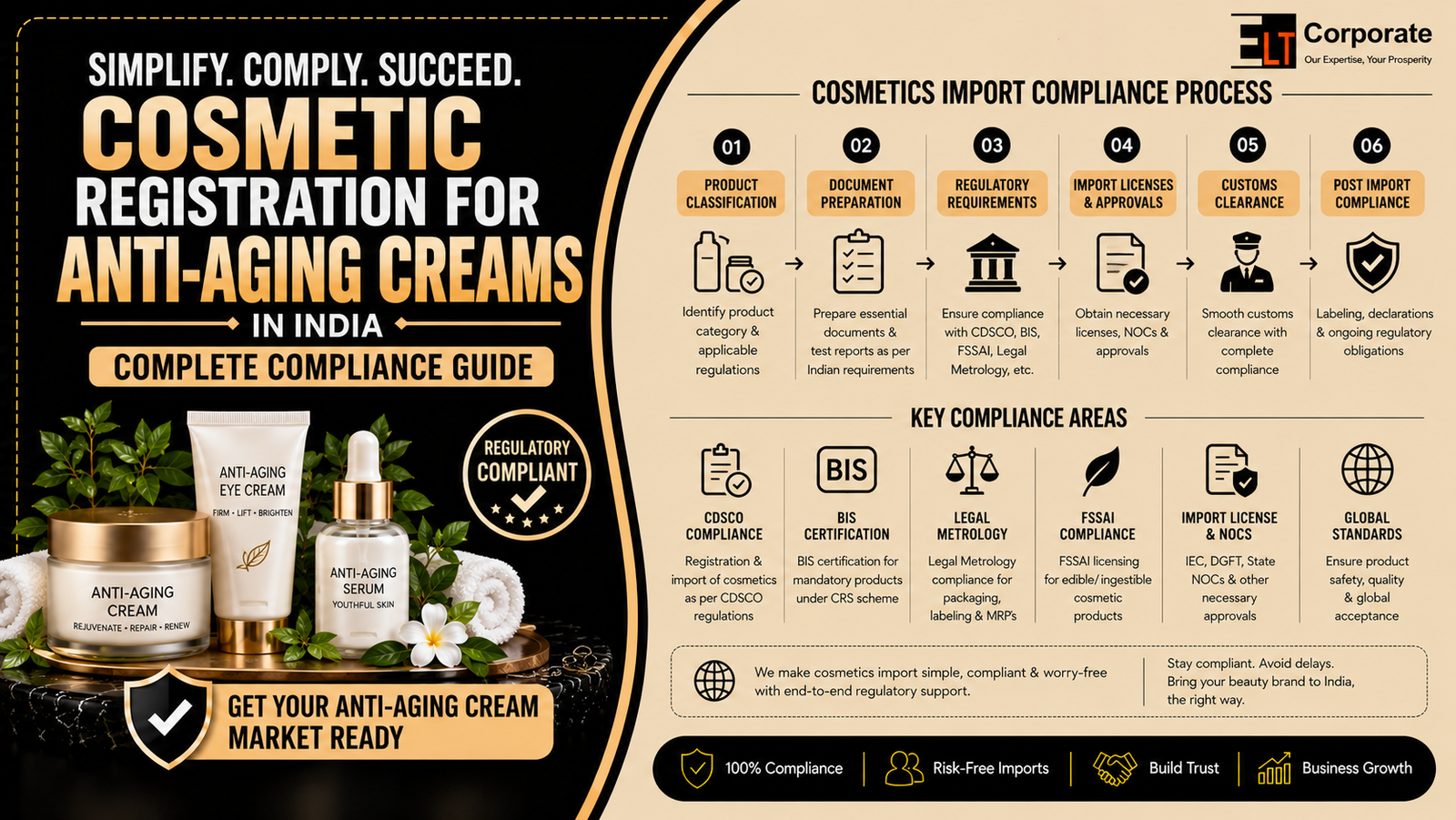
However, before an Italian cosmetic brand can legally enter the Indian market, it must comply with India’s cosmetic import regulations under the Cosmetics Rules, 2020 and the Drugs & Cosmetics Act, 1940. Imported cosmetics require registration with the Indian regulator before sale, distribution, or commercial import.
For Italian salon brands planning expansion into India, understanding the regulatory process early can prevent customs delays, product seizures, distributor disputes, and costly re-filings.
Why Italian Professional Cosmetics Are Growing in India
India’s luxury beauty and salon market has changed significantly over the last few years. Urban salons, dermatology clinics, luxury spas, and premium retail chains are increasingly stocking imported professional cosmetics from Europe.
Italian brands are especially attractive because they are associated with:
- Professional salon performance
- Luxury positioning
- Premium formulations
- Fashion-driven branding
- Specialized haircare expertise
- Organic and botanical beauty concepts
Indian demand is especially strong in categories such as:
- Professional hair color
- Keratin and hair repair systems
- Luxury skincare
- Salon facial products
- Nail systems
- Beard and grooming cosmetics
- Spa cosmetics
- Premium fragrances
However, even globally recognized Italian cosmetic brands cannot legally import products into India without CDSCO cosmetic registration.
What Is CDSCO Cosmetic Registration?
The Central Drugs Standard Control Organization (CDSCO) regulates imported cosmetics in India.
Under Indian law, imported cosmetic products must be registered with the Central Licensing Authority before import and sale in India.
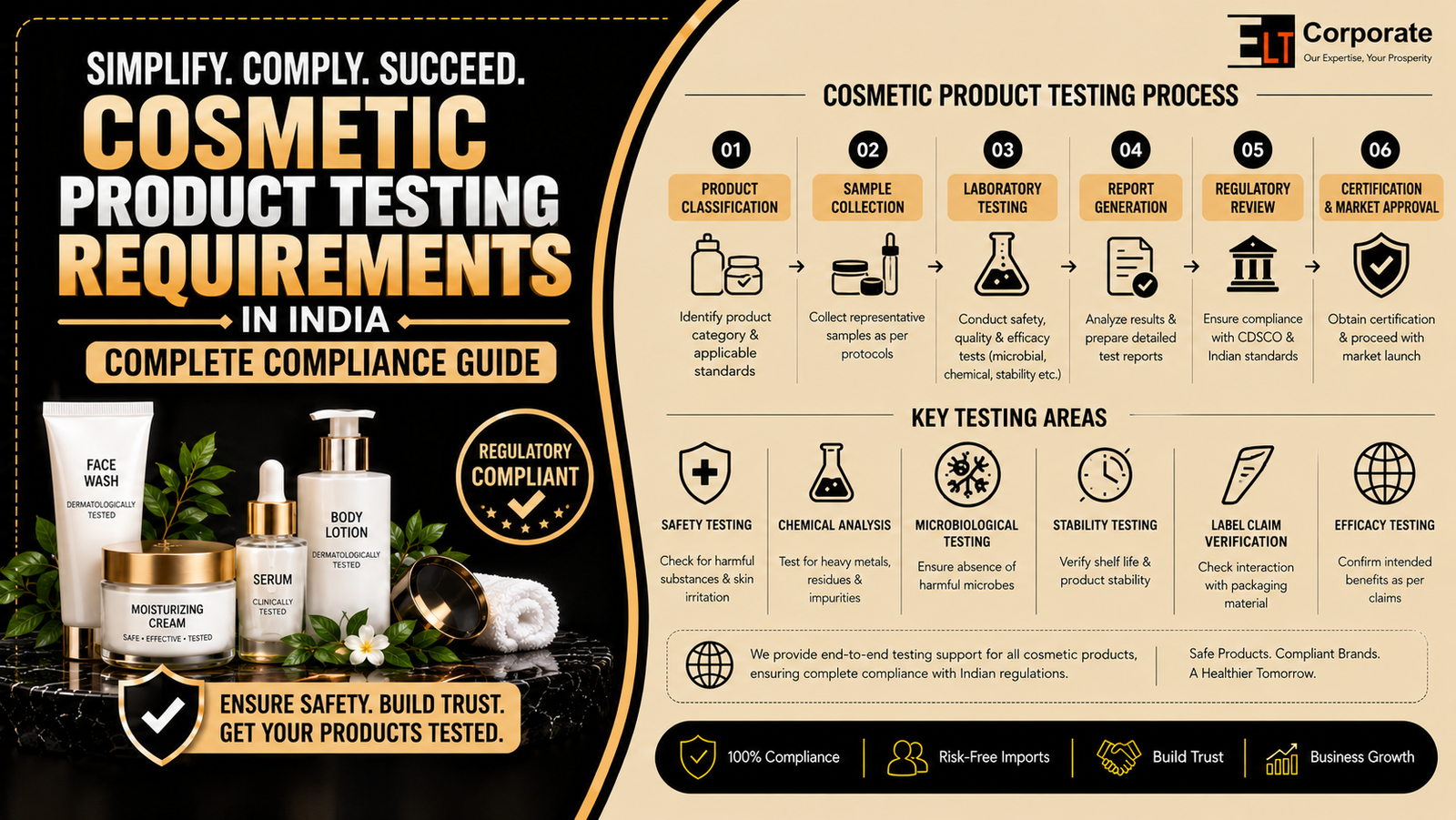
The registration process generally involves:
- Product classification
- Ingredient review
- Label compliance assessment
- Manufacturer documentation
- Free Sale Certificate verification
- Power of Attorney authorization
- Online filing through the SUGAM portal
- Regulatory scrutiny by CDSCO
Once approved, the importer receives the cosmetic registration approval required for commercial imports.
Can an Italian Company Apply Directly?
In most cases, no.
Foreign cosmetic manufacturers generally require an Indian authorized agent, importer, subsidiary, or Indian entity to manage the registration process.
India allows applications through:
- Indian authorized agents
- Indian subsidiaries
- Indian importers
- Indian offices of the foreign manufacturer
This is one of the biggest challenges for Italian salon brands entering India for the first time.
Choosing the wrong Indian partner can create long-term regulatory and commercial complications, especially if:
- the registration remains under the distributor’s control,
- the relationship later ends,
- or multiple importers compete for the same products.
Professional Salon Cosmetics vs Retail Cosmetics
Many Italian brands assume salon-use products face lighter regulation. In practice, India regulates salon cosmetics similarly to retail cosmetics if they fall within the cosmetic definition.
This includes products such as:
- Hair color
- Hair masks
- Keratin treatments
- Hair serums
- Styling creams
- Facial kits
- Professional peels
- Nail products
- Beard care products
If the product is intended for cleansing, beautifying, enhancing appearance, or grooming, it may qualify as a cosmetic under Indian law.
Common Registration Challenges for Italian Cosmetic Brands
1. Ingredient Documentation Problems
Italian formulations often contain:
- botanical extracts,
- fragrance compositions,
- active complexes,
- or proprietary blends.
Indian authorities may request:
- complete ingredient disclosures,
- concentration information,
- safety declarations,
- or clarification regarding restricted ingredients.
INCI naming consistency is also important during filing.
2. Labeling Non-Compliance
European labels frequently need modification for Indian import compliance.
Common issues include:
- missing importer details,
- incorrect manufacturing declarations,
- incomplete ingredient listings,
- improper batch information,
- or claims that may not be acceptable in India.
3. Shade and Variant Complexity
India treats shades, pack sizes, and variants carefully during registration.
Luxury cosmetic brands with:
- multiple lipstick shades,
- hair color ranges,
- or skincare variants
often underestimate the documentation workload involved.
4. Distributor Control Issues
Many foreign brands initially allow Indian distributors to hold the registration.
This can become risky if:
- the distributor relationship ends,
- pricing conflicts arise,
- or market expansion requires new import partners.
Several business discussions online also highlight the importance of proper regulatory ownership structures before entering India.
Documents Typically Required
Italian cosmetic brands usually require documents such as:
- Free Sale Certificate
- Manufacturing License
- Product ingredient list
- Product labels/artwork
- Product specifications
- Authorization letter / Power of Attorney
- Undertakings and declarations
- Manufacturing site details
Depending on the product category, additional clarifications may also be requested by CDSCO.
How Long Does Registration Take?
The timeline depends on:
- product complexity,
- document quality,
- regulatory queries,
- and the number of variants involved.
Industry guidance sources generally indicate that cosmetic registration may take several months, especially for large product portfolios.
Luxury salon brands with:
- extensive shade ranges,
- multilingual labels,
- or multiple manufacturing sites
should prepare for additional documentation review.
Luxury Brand Positioning in India
Registration is only one part of successful India entry.
Italian salon and luxury cosmetic brands should also evaluate:
- premium distributor selection,
- salon chain partnerships,
- dermatology clinic channels,
- luxury e-commerce positioning,
- and professional training programs.
Many successful European brands entering India focus heavily on:
- education-led marketing,
- salon certification,
- stylist partnerships,
- and controlled distribution.
This is especially important in premium segments where brand dilution can quickly damage positioning.
Importance of Regulatory Strategy Before Market Entry
A strong regulatory strategy helps avoid:
- customs detention,
- delayed launches,
- product cancellations,
- import disruptions,
- and distributor disputes.
CDSCO has also published notices relating to cancellations and compliance actions for cosmetic registrations.
For this reason, many international brands now conduct:
- pre-entry compliance reviews,
- ingredient audits,
- label assessments,
- and importer structuring
before shipping products into India.
Final Thoughts
India offers major growth potential for Italian professional cosmetics, salon brands, and luxury beauty companies. Demand for premium imported beauty products continues to rise across metro cities, luxury salons, dermatology clinics, and online beauty platforms.
But successful entry into India requires more than strong branding and product quality. Regulatory compliance under CDSCO and the Cosmetics Rules, 2020 is essential before import and commercial sale.